%20%20--%3E%0A%3Csvg%20version%3D%221.1%22%20xmlns%3D%22http%3A%2F%2Fwww.w3.org%2F2000%2Fsvg%22%20xmlns%3Axlink%3D%22http%3A%2F%2Fwww.w3.org%2F1999%2Fxlink%22%20x%3D%220px%22%20y%3D%220px%22%0A%09%20viewBox%3D%220%200%20887.6%20200%22%20style%3D%22enable-background%3Anew%200%200%20887.6%20200%3B%22%20xml%3Aspace%3D%22preserve%22%3E%0A%3Cstyle%20type%3D%22text%2Fcss%22%3E%0A%09.st0%7Bfill%3A%23145840%3B%7D%0A%09.st1%7Bfill%3A%23FFFFFF%3B%7D%0A%3C%2Fstyle%3E%0A%3Cg%20id%3D%22Template%22%3E%0A%09%3Cg%3E%0A%09%09%3Cpath%20class%3D%22st1%22%20d%3D%22M28.2%2C109h12.2v14.1c0%2C10.5-6.1%2C19.9-20.1%2C19.9c-14.6%2C0-20.3-9.3-20.3-20V78.6h12.9v13.4h27.5v9.3H12.9v20.4%0A%09%09%09c0%2C6.3%2C2.2%2C9.9%2C7.6%2C9.9c5.3%2C0%2C7.7-3.5%2C7.7-9.7V109z%22%2F%3E%0A%09%09%3Cpath%20class%3D%22st1%22%20d%3D%22M77%2C141.8V111c0-7.5-2.5-9.8-8.5-9.8c-6.6%2C0-10.2%2C5.5-10.2%2C12.1v28.5H45.2V73.9h13.1v24.7%0A%09%09%09c1.9-4.4%2C8-7.8%2C14.7-7.8c10.2%2C0%2C17.3%2C6%2C17.3%2C15.9v35.2H77z%22%2F%3E%0A%09%09%3Cpath%20class%3D%22st1%22%20d%3D%22M107.5%2C120.4c0.4%2C7.5%2C4.6%2C12.3%2C11.1%2C12.3c4.2%2C0%2C8-2.1%2C8.9-5.6h13.5c-3%2C10.2-11.2%2C16-21.8%2C16%0A%09%09%09c-16.6%2C0-24.9-9.1-24.9-27.1c0-15.4%2C8.8-25.3%2C24-25.3s23.3%2C9.9%2C23.3%2C29.6H107.5z%20M128.2%2C112.1c-0.2-7.4-5.1-10.9-10.2-10.9%0A%09%09%09c-5.3%2C0-9.6%2C4-10.1%2C10.9H128.2z%22%2F%3E%0A%09%3C%2Fg%3E%0A%09%3Cpath%20class%3D%22st1%22%20d%3D%22M170.5%2C48.3h27.2v108.9c0%2C24.7-17.4%2C41.5-40.2%2C41.5c-28%2C0-41.1-16.4-41.1-42.7h25.3c0%2C11.6%2C3.7%2C18.9%2C14.3%2C18.9%0A%09%09c10.8%2C0%2C14.5-7.1%2C14.5-18.7V48.3z%20M170.5%2C36.1V11h27.2v25.1H170.5z%22%2F%3E%0A%09%3Cpath%20class%3D%22st1%22%20d%3D%22M233.2%2C106.4c0.8%2C15.3%2C9.5%2C25.3%2C22.8%2C25.3c8.7%2C0%2C16.4-4.4%2C18.2-11.4H302c-6.2%2C20.9-23%2C32.8-44.8%2C32.8%0A%09%09c-34%2C0-51-18.7-51-55.6c0-31.5%2C18-51.8%2C49.3-51.8c31.3%2C0%2C47.9%2C20.3%2C47.9%2C60.8H233.2z%20M275.7%2C89.4C275.3%2C74.2%2C265.3%2C67%2C254.7%2C67%0A%09%09c-10.8%2C0-19.7%2C8.3-20.7%2C22.4H275.7z%22%2F%3E%0A%09%3Cpath%20class%3D%22st1%22%20d%3D%22M369.6%2C83.2h25.1v29c0%2C21.6-12.4%2C40.9-41.3%2C40.9c-29.9%2C0-41.7-19.1-41.7-41.1V20.7h26.5v27.6h56.4v19.1h-56.4%0A%09%09v41.9c0%2C12.9%2C4.6%2C20.3%2C15.6%2C20.3c10.8%2C0%2C15.8-7.3%2C15.8-19.9V83.2z%22%2F%3E%0A%09%3Cpath%20class%3D%22st1%22%20d%3D%22M433.1%2C200V49.7H459l0.2%2C12.4c6.4-10.4%2C16-15.1%2C28.4-15.1c25.7%2C0%2C44.2%2C20.3%2C44.2%2C54.7%0A%09%09c0%2C30.9-15.6%2C52.7-41.9%2C52.7c-12.6%2C0-22.6-5.2-30.3-16V200H433.1z%20M504.5%2C99.8c0-18.2-9.5-30.9-23-30.9c-12.9%2C0-22.8%2C12-22.8%2C29.2%0A%09%09c0%2C22.2%2C7.7%2C33.2%2C22.6%2C33.2C497%2C131.4%2C504.5%2C120.8%2C504.5%2C99.8z%22%2F%3E%0A%09%3Cpath%20class%3D%22st1%22%20d%3D%22M537.3%2C151.7v-102h25.3v12.2c8.9-13.7%2C19.3-14.9%2C30.3-14.9h3.5v27.6c-2.5-0.4-5-0.6-7.5-0.6%0A%09%09c-16.6%2C0-24.7%2C8.3-24.7%2C24.7v53.1H537.3z%22%2F%3E%0A%09%3Cpath%20class%3D%22st1%22%20d%3D%22M621.9%2C107.7c0.8%2C15.3%2C9.5%2C25.3%2C22.8%2C25.3c8.7%2C0%2C16.4-4.4%2C18.2-11.4h27.8c-6.2%2C20.9-23%2C32.8-44.8%2C32.8%0A%09%09c-34%2C0-51-18.7-51-55.6c0-31.5%2C18-51.8%2C49.4-51.8c31.3%2C0%2C47.9%2C20.3%2C47.9%2C60.8H621.9z%20M664.5%2C90.7c-0.4-15.1-10.4-22.4-20.9-22.4%0A%09%09c-10.8%2C0-19.7%2C8.3-20.7%2C22.4H664.5z%22%2F%3E%0A%09%3Cpath%20class%3D%22st1%22%20d%3D%22M761.9%2C80.6c-1.2-9.3-6.6-13.5-18.2-13.5c-11%2C0-16.8%2C2.3-16.8%2C8.7c0%2C5.6%2C5.8%2C8.5%2C16.6%2C11.4%0A%09%09c35.7%2C9.7%2C47.3%2C11.6%2C47.3%2C35.5c0%2C18.2-15.6%2C31.7-45.2%2C31.7c-29.2%2C0-48.1-13.9-48.5-35.5h27.8c0%2C9.5%2C8.5%2C15.1%2C20.5%2C15.1%0A%09%09c10.2%2C0%2C18.7-3.1%2C18.7-9.7c0-7.5-5.4-10-16.4-12.4c-39.6-8.7-46.9-18.9-46.9-36.1c0-15.3%2C11.8-28.8%2C43.8-28.8%0A%09%09c29.2%2C0%2C42.1%2C12.6%2C43.3%2C33.6H761.9z%22%2F%3E%0A%09%3Cpath%20class%3D%22st1%22%20d%3D%22M858.8%2C80.6c-1.2-9.3-6.6-13.5-18.2-13.5c-11%2C0-16.8%2C2.3-16.8%2C8.7c0%2C5.6%2C5.8%2C8.5%2C16.6%2C11.4%0A%09%09c35.7%2C9.7%2C47.3%2C11.6%2C47.3%2C35.5c0%2C18.2-15.6%2C31.7-45.2%2C31.7c-29.2%2C0-48.1-13.9-48.5-35.5h27.8c0%2C9.5%2C8.5%2C15.1%2C20.5%2C15.1%0A%09%09c10.2%2C0%2C18.7-3.1%2C18.7-9.7c0-7.5-5.4-10-16.4-12.4c-39.6-8.7-46.9-18.9-46.9-36.1c0-15.3%2C11.8-28.8%2C43.8-28.8%0A%09%09c29.2%2C0%2C42.1%2C12.6%2C43.3%2C33.6H858.8z%22%2F%3E%0A%3C%2Fg%3E%0A%3Cg%20id%3D%22Layer_2%22%3E%0A%3C%2Fg%3E%0A%3C%2Fsvg%3E%0A)

We don't talk enough about what position coaches played.
All 32 NFL head coaches played football, yet we only acknowledge the playing days of those who went pro. Why?
The difference is usually talent, not football IQ. And when it comes to coaching, one is obviously more relevant.
I think we're overlooking something much more fundamental than whether a coach made it to the NFL. We're overlooking how they learned to play the game in the first place.
I'd argue that the position a coach played guides their philosophy, demeanor, and approach to problem-solving.
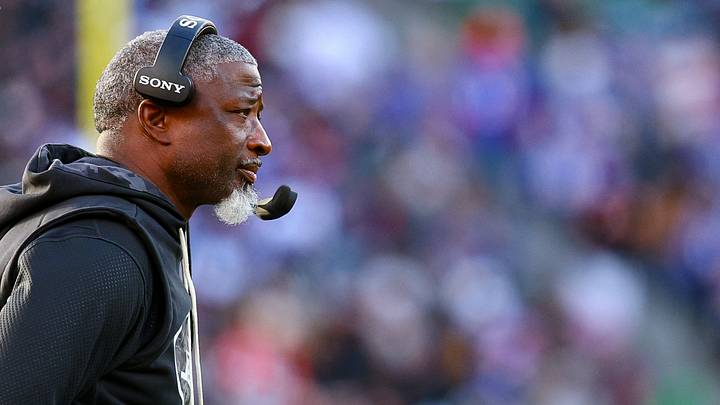
I say all this because in his post-game press conference this past Sunday, New York Jets' coach Aaron Glenn said something that shocked me.
Aaron Glenn's former playing mentality is proving to be his biggest coaching weakness
This week, one reporter finally asked Glenn the question I've been screaming all season.
"Are you really frustrated? Because you don't seem like it."
For weeks, I've criticized Glenn for his demeanor amid what is turning out to be an awful season for the Jets. His response floored me.
"Definitely frustrated. But when you're frustrated, where is that frustration channeled? I'm not going to channel my frustration at you guys. That's not going to win us games. We should channel our frustrations into the team we're playing."
On one hand, that might be the most psychologically healthy thing I've ever heard. On the other, it made me wonder how a person who played the game himself can be so rational about losing.
Every football player I know has a few screws loose. In fact, you can argue that it's a requirement in the sport. Nobody in their right mind would sign up for that kind of violence using logic.
So how was Glenn so calm? My theory-- because he was a cornerback.
You know what you know
Personal experience shapes how we do anything. It's the reason why you probably belong to the same political party and religion as your parents.
Our experiences establish a framework through which we interpret the world. That framework doesn't just go away when our circumstances change.
In football, every position holds a different perspective. Not just different responsibilities, but a fundamentally different way of viewing the game.
Those are more than football skills. They're mentalities.
Take Glenn. Former defensive back, now defensive strategist. Coincidence? I say nay.
Even more specifically, what was required of you at your position is what you will lead with as a coach.
The cornerback psyche
Glenn was a cornerback. A position of finesse and skill, one that tends to operate in its own silo. "Revis Island" wasn't exactly a team moniker, if you catch my drift.
Of any position on the field, it's also the furthest from the aforementioned violence. Deion Sanders made it very clear what his stance on tackling was.
The position requires a narrowed focus. Outside of zone coverage, most of the work is done in your own lane.
The problem for Glenn, or any defensive back turned coach, is that you can't teach skill. And preaching a lone-wolf approach is a terrible way to build a unified team.
While a cornerback mindset might work when you are only responsible for one part of something (aka being a defensive coordinator), when it comes to building culture, that same mindset is poison.
A head coach isn't responsible for one assignment. He's responsible for the entire operation. He can't afford to treat every problem as an isolated incident when those problems are interconnected.
A coach's primary responsibility is establishing a collective focus.
When a coach brings a mentality of single-mindedness, you find yourself constantly chasing individual problems - something it feels like Glenn and the Jets have been doing all season.
Unfortunately for the Jets, the data suggests that this problem extends beyond Glenn.
What positions make the best coaches?
The same logic above works for every position. Former quarterbacks go on to be innovators, former linebackers hammer toughness in the trenches, and former wide receivers chase explosiveness.
When they say that a team takes on the image of its coach, it doesn't mean they dress alike. It means they reflect this mentality - and their personal approach to football.
In 2026, it appears not all approaches are created equal.
------INSERT GRAPH HERE-------
Look at this graph and tell me it isn't an offense-driven league.
In fact, of the 32 current head coaches, 21 can be deemed "offensive-minded", while nine can be considered "defensive-minded" (two are neutral).
The combined records of those groups so far this season?
Offensive coaches: 109-88 (.553)
Defensive coaches: 28-56-1 (.335)
Now ready to have your mind blown?
Of the nine remaining defensive head coaches left in the NFL, three have been head coach of the Jets. Meaning that, of a dying breed of coaches, the Jets have single-handedly employed 33%.
'How you do anything is how you do everything' - Unknown
I kind of hate the phrase, but in this case, it works.
Glenn is coaching like a cornerback. Whether his personality led to him playing the position, or playing the position shaped his personality, the approach clearly isn't working.
Sunday's game against Buffalo went pretty much exactly as we all thought it would.
Ultimately, the heat for Glenn remains steady, with a slight bump for yet another division loss.
Current Heat: 9.6 🆘
 Add us as a preferred source on Google