%20%20--%3E%0A%3Csvg%20version%3D%221.1%22%20xmlns%3D%22http%3A%2F%2Fwww.w3.org%2F2000%2Fsvg%22%20xmlns%3Axlink%3D%22http%3A%2F%2Fwww.w3.org%2F1999%2Fxlink%22%20x%3D%220px%22%20y%3D%220px%22%0A%09%20viewBox%3D%220%200%20887.6%20200%22%20style%3D%22enable-background%3Anew%200%200%20887.6%20200%3B%22%20xml%3Aspace%3D%22preserve%22%3E%0A%3Cstyle%20type%3D%22text%2Fcss%22%3E%0A%09.st0%7Bfill%3A%23145840%3B%7D%0A%09.st1%7Bfill%3A%23FFFFFF%3B%7D%0A%3C%2Fstyle%3E%0A%3Cg%20id%3D%22Template%22%3E%0A%09%3Cg%3E%0A%09%09%3Cpath%20class%3D%22st1%22%20d%3D%22M28.2%2C109h12.2v14.1c0%2C10.5-6.1%2C19.9-20.1%2C19.9c-14.6%2C0-20.3-9.3-20.3-20V78.6h12.9v13.4h27.5v9.3H12.9v20.4%0A%09%09%09c0%2C6.3%2C2.2%2C9.9%2C7.6%2C9.9c5.3%2C0%2C7.7-3.5%2C7.7-9.7V109z%22%2F%3E%0A%09%09%3Cpath%20class%3D%22st1%22%20d%3D%22M77%2C141.8V111c0-7.5-2.5-9.8-8.5-9.8c-6.6%2C0-10.2%2C5.5-10.2%2C12.1v28.5H45.2V73.9h13.1v24.7%0A%09%09%09c1.9-4.4%2C8-7.8%2C14.7-7.8c10.2%2C0%2C17.3%2C6%2C17.3%2C15.9v35.2H77z%22%2F%3E%0A%09%09%3Cpath%20class%3D%22st1%22%20d%3D%22M107.5%2C120.4c0.4%2C7.5%2C4.6%2C12.3%2C11.1%2C12.3c4.2%2C0%2C8-2.1%2C8.9-5.6h13.5c-3%2C10.2-11.2%2C16-21.8%2C16%0A%09%09%09c-16.6%2C0-24.9-9.1-24.9-27.1c0-15.4%2C8.8-25.3%2C24-25.3s23.3%2C9.9%2C23.3%2C29.6H107.5z%20M128.2%2C112.1c-0.2-7.4-5.1-10.9-10.2-10.9%0A%09%09%09c-5.3%2C0-9.6%2C4-10.1%2C10.9H128.2z%22%2F%3E%0A%09%3C%2Fg%3E%0A%09%3Cpath%20class%3D%22st1%22%20d%3D%22M170.5%2C48.3h27.2v108.9c0%2C24.7-17.4%2C41.5-40.2%2C41.5c-28%2C0-41.1-16.4-41.1-42.7h25.3c0%2C11.6%2C3.7%2C18.9%2C14.3%2C18.9%0A%09%09c10.8%2C0%2C14.5-7.1%2C14.5-18.7V48.3z%20M170.5%2C36.1V11h27.2v25.1H170.5z%22%2F%3E%0A%09%3Cpath%20class%3D%22st1%22%20d%3D%22M233.2%2C106.4c0.8%2C15.3%2C9.5%2C25.3%2C22.8%2C25.3c8.7%2C0%2C16.4-4.4%2C18.2-11.4H302c-6.2%2C20.9-23%2C32.8-44.8%2C32.8%0A%09%09c-34%2C0-51-18.7-51-55.6c0-31.5%2C18-51.8%2C49.3-51.8c31.3%2C0%2C47.9%2C20.3%2C47.9%2C60.8H233.2z%20M275.7%2C89.4C275.3%2C74.2%2C265.3%2C67%2C254.7%2C67%0A%09%09c-10.8%2C0-19.7%2C8.3-20.7%2C22.4H275.7z%22%2F%3E%0A%09%3Cpath%20class%3D%22st1%22%20d%3D%22M369.6%2C83.2h25.1v29c0%2C21.6-12.4%2C40.9-41.3%2C40.9c-29.9%2C0-41.7-19.1-41.7-41.1V20.7h26.5v27.6h56.4v19.1h-56.4%0A%09%09v41.9c0%2C12.9%2C4.6%2C20.3%2C15.6%2C20.3c10.8%2C0%2C15.8-7.3%2C15.8-19.9V83.2z%22%2F%3E%0A%09%3Cpath%20class%3D%22st1%22%20d%3D%22M433.1%2C200V49.7H459l0.2%2C12.4c6.4-10.4%2C16-15.1%2C28.4-15.1c25.7%2C0%2C44.2%2C20.3%2C44.2%2C54.7%0A%09%09c0%2C30.9-15.6%2C52.7-41.9%2C52.7c-12.6%2C0-22.6-5.2-30.3-16V200H433.1z%20M504.5%2C99.8c0-18.2-9.5-30.9-23-30.9c-12.9%2C0-22.8%2C12-22.8%2C29.2%0A%09%09c0%2C22.2%2C7.7%2C33.2%2C22.6%2C33.2C497%2C131.4%2C504.5%2C120.8%2C504.5%2C99.8z%22%2F%3E%0A%09%3Cpath%20class%3D%22st1%22%20d%3D%22M537.3%2C151.7v-102h25.3v12.2c8.9-13.7%2C19.3-14.9%2C30.3-14.9h3.5v27.6c-2.5-0.4-5-0.6-7.5-0.6%0A%09%09c-16.6%2C0-24.7%2C8.3-24.7%2C24.7v53.1H537.3z%22%2F%3E%0A%09%3Cpath%20class%3D%22st1%22%20d%3D%22M621.9%2C107.7c0.8%2C15.3%2C9.5%2C25.3%2C22.8%2C25.3c8.7%2C0%2C16.4-4.4%2C18.2-11.4h27.8c-6.2%2C20.9-23%2C32.8-44.8%2C32.8%0A%09%09c-34%2C0-51-18.7-51-55.6c0-31.5%2C18-51.8%2C49.4-51.8c31.3%2C0%2C47.9%2C20.3%2C47.9%2C60.8H621.9z%20M664.5%2C90.7c-0.4-15.1-10.4-22.4-20.9-22.4%0A%09%09c-10.8%2C0-19.7%2C8.3-20.7%2C22.4H664.5z%22%2F%3E%0A%09%3Cpath%20class%3D%22st1%22%20d%3D%22M761.9%2C80.6c-1.2-9.3-6.6-13.5-18.2-13.5c-11%2C0-16.8%2C2.3-16.8%2C8.7c0%2C5.6%2C5.8%2C8.5%2C16.6%2C11.4%0A%09%09c35.7%2C9.7%2C47.3%2C11.6%2C47.3%2C35.5c0%2C18.2-15.6%2C31.7-45.2%2C31.7c-29.2%2C0-48.1-13.9-48.5-35.5h27.8c0%2C9.5%2C8.5%2C15.1%2C20.5%2C15.1%0A%09%09c10.2%2C0%2C18.7-3.1%2C18.7-9.7c0-7.5-5.4-10-16.4-12.4c-39.6-8.7-46.9-18.9-46.9-36.1c0-15.3%2C11.8-28.8%2C43.8-28.8%0A%09%09c29.2%2C0%2C42.1%2C12.6%2C43.3%2C33.6H761.9z%22%2F%3E%0A%09%3Cpath%20class%3D%22st1%22%20d%3D%22M858.8%2C80.6c-1.2-9.3-6.6-13.5-18.2-13.5c-11%2C0-16.8%2C2.3-16.8%2C8.7c0%2C5.6%2C5.8%2C8.5%2C16.6%2C11.4%0A%09%09c35.7%2C9.7%2C47.3%2C11.6%2C47.3%2C35.5c0%2C18.2-15.6%2C31.7-45.2%2C31.7c-29.2%2C0-48.1-13.9-48.5-35.5h27.8c0%2C9.5%2C8.5%2C15.1%2C20.5%2C15.1%0A%09%09c10.2%2C0%2C18.7-3.1%2C18.7-9.7c0-7.5-5.4-10-16.4-12.4c-39.6-8.7-46.9-18.9-46.9-36.1c0-15.3%2C11.8-28.8%2C43.8-28.8%0A%09%09c29.2%2C0%2C42.1%2C12.6%2C43.3%2C33.6H858.8z%22%2F%3E%0A%3C%2Fg%3E%0A%3Cg%20id%3D%22Layer_2%22%3E%0A%3C%2Fg%3E%0A%3C%2Fsvg%3E%0A)

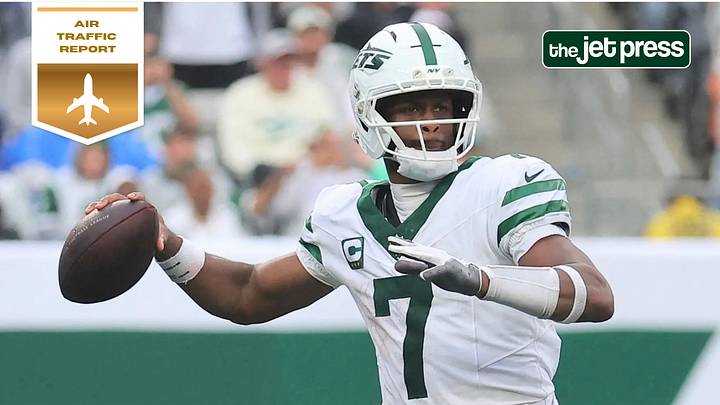
When the New York Jets made the decision to bring Geno Smith back for his second stint in green this offseason, any of several gut reactions were valid.
For one, asking the man who led the entire league in interceptions last year to fix a struggling offense is a lot like hiring the worst-rated therapist on Zocdoc to save your marriage.
On the other hand, nearly a decade older and wiser than when he left New York the first go-around, a veteran quarterback is a very limited commodity in today's NFL.
Geno Smith's Week 2 outing left a little bit to be desired
If the idea was simply to put an experienced person in charge of the kids while you tend to bigger issues without distraction, then a guy with 13 seasons under his belt, who also happens to know what it takes to play in sports' most severe media market, is essentially the ideal get.
However, for as welcome a sight as his boring performance was in the season opener for Jets fans who have known nothing but unstable quarterback play, the Green Bay Packers may have accidentally exposed a brand-new problem for this new-look offense.
Let's start with the elephant in the week-to-week contrast. The Jets ran all over the Tennessee Titans in the Week 1 win. When you know (and more importantly, when the defense knows) you can run the ball at will, passing becomes a lot easier.
Linebackers start to lower their gaze, safeties subconsciously creep closer and closer to the line of scrimmage, and zone coverage becomes the de facto call for a defensive coordinator who simply can't risk having 4 to 5 of their 11 defenders running the complete opposite direction of a ball carrier they are supposed to be tackling.
From the very first offensive play on Sunday, the Jets’ lack of a run game became one of the many storylines that would remain consistent for the next three and a half quarters. The others: Packers penalties, fumbles/loose footballs, and .05-.1 inches of steady rainfall.
The result: 41 pass attempts for Smith. Even for a career gunslinger, this is a lot. In rainy conditions, no less. However, for a report that focuses exclusively on the Jets' pass game, it provided a lot of material.
As I always do, perhaps by habit or as a way to more easily assess the game, I tracked every one of those passing plays in my pre-built Excel spreadsheet that is similar to the physical sheet that myself and anyone who has ever been a backup quarterback is familiar with.
The format is simple -- down & distance, personnel, formation, concept, result. I'll usually include the quarterback's decision in the result (aka primary read, secondary, checkdown, etc.).
Of Smith's 27 completions on Sunday, 23 were either on one-man routes or checkdowns. This could mean one of two things. Either Frank Reich called a game where 85% of the plays simply didn't work, and Smith was left with just the safety option. Or Smith is struggling to find the open receivers and is instead choosing the easiest decision and throwing on nearly every play. My assessment is that it’s the latter. Here’s why:
Throughout both games, I found myself quietly praising Reich for the number of things he was doing to help Smith from a play-calling standpoint.
For one, the vast majority of plays have had some type of pre-snap motion. For those unfamiliar, motions are an easy way for a quarterback to identify pre-snap what kind of coverage the defense is playing. If a single defender follows the man in motion, it’s an indicator of man coverage. If not, zone is implied. While it’s not a perfect science, it’s a tried-and-true way to get a quick hint.
Reich has also checked almost all of the other boxes for ways coordinators try to help their quarterbacks. 67% of the pass plays called through two games have been screens, play-action passes, or three-step throws.
Additionally, 83% of passes have been run out of the shotgun, which gives Smith a better pre-snap view of the defense as well as a tick more time before the pass rush can get to him.
Is Frank Reich making things too easy for Geno Smith?
The formula seems to be clear: Reich is doing all he can to get Smith easy completions. The question is: why does a 13-year NFL vet need the rookie quarterback special?
More importantly, why hasn’t he appeared to benefit from it beyond checkdowns and quick hitters? Add the element of him running the play clock down to zero on nearly every play, and the picture that is being painted is one of Geno being beyond confused.
Maybe the journeyman finds himself overcorrecting for his loose-cannon past, maybe he’s in that phase where he knows so much that he’s just overthinking the heck out of it all, or perhaps he’s just settling into a new offense, and the best is yet to come.
Regardless of the reason behind it, Smith looks gun-shy to the naked eye. As was made clear during the overtime drive, checkdowns aren’t going to be a sustainable strategy when a true passing attack is needed.
In Sunday's game, eventually the ball has to go down the field. There’s a big difference between Tom Brady’s “take what the defense gives you” mentality and always settling for the easy throw.
For every ‘Brady to Edelman shallow drag’, there was a Randy Moss go route or a Rob Gronkowski seam ripper. This is the part of the Jets’ pass game through two weeks that’s missing. The question is why.
Overall Rating: 6.8 ⭐️
Like seeing your uncle grab his seventh beer at Thanksgiving. Not necessarily a problem yet, but definitely something you'll keep an eye on.
 Add us as a preferred source on Google